Collecting guides
How to Start a Physical Music Collection… You Will Actually Listen To
Start with albums that mean something or a box of garage-sale finds. Build a vinyl and CD collection, then find an affordable way to play it.
Published
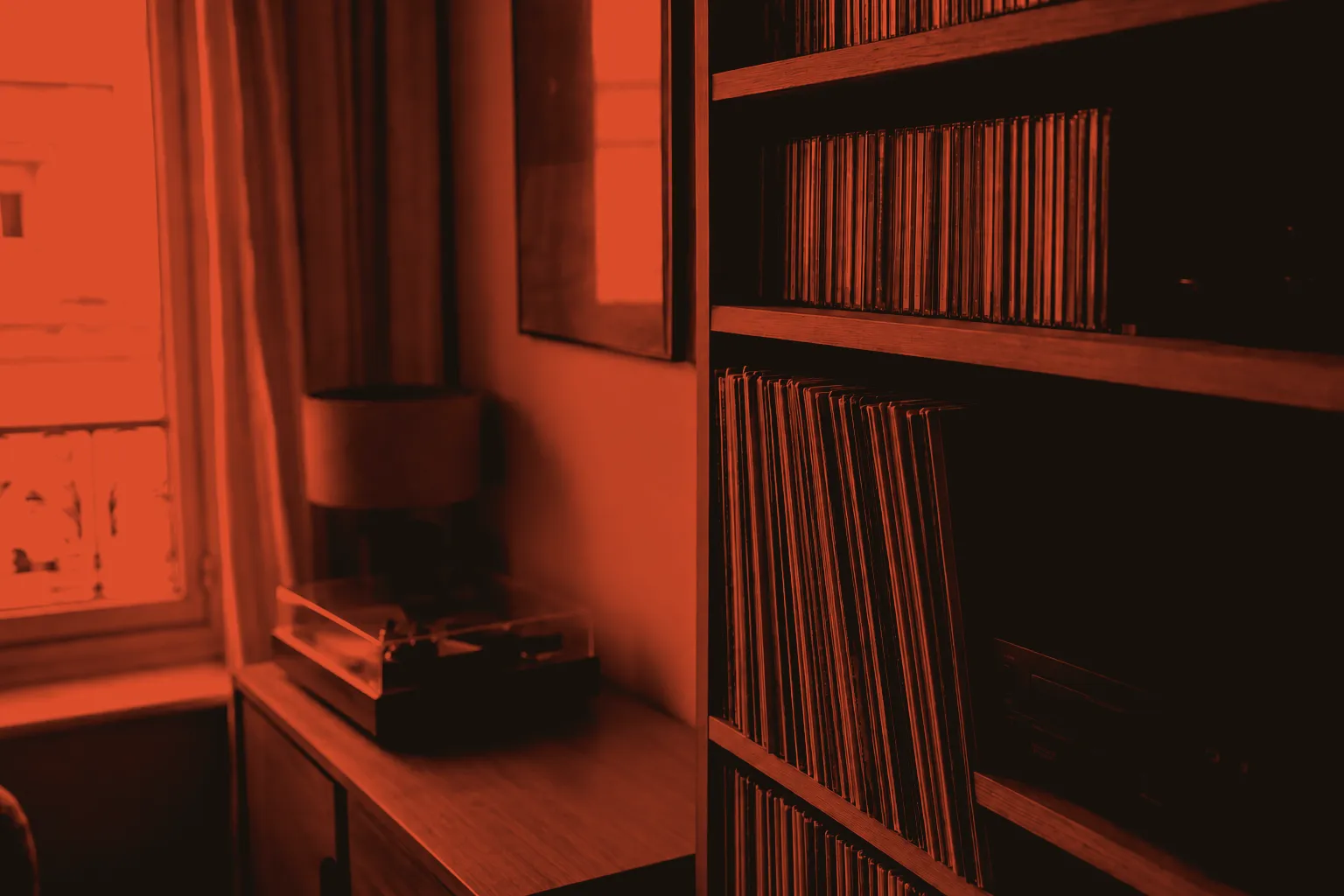
There is no right way to start a music collection. You buy an album that means something to you. Or a box of CDs at a garage sale, mostly because you recognise one name and like another cover. Someone gives you their old records. Suddenly, you have a collection.
You may not have a player yet. That can come later.
Start wherever the interest is
Some albums arrive with a history: the music your parents played, a record that got you through a bad year, a CD bought after a gig. Sometimes the copy matters as much as the music. A handwritten name on a sleeve can be a reason to keep it.
Other albums are guesses. You find them in charity shops and second-hand bins and take them home to see what happens. A few become favourites. Others explain why they were in the bin.
You do not need a list of essential albums or a respectable spread of genres. Follow whatever makes you want to pick up the next record. This is a hobby. Enjoying it is enough.
The pleasure of the thing
Sifting through your own shelves is part of listening. You look for one album, notice another and change your mind. There is the sleeve in your hands, the artwork on your lap, a name in the credits you have never noticed.
With vinyl, you have to get up and turn the record over. Some people find that irritating. Others rather like the interruption. A CD lets you stay on the sofa. There is room in a collection for both moods.
The equipment can be a pleasure too: learning how a turntable works, getting an old hi-fi going, hearing a familiar song through different speakers. You can get absorbed in all of it or find a simple setup and leave it alone.
And with a working standalone player, the music plays without internet, an account or a subscription. You put the disc on. Streaming can still be useful for discovery and listening away from home. The shelf gives you another option.
Expect to learn a few things
Vinyl, especially, can become an odyssey. At first you want to play a record. Then you wonder why another copy has a different label, what the writing near the centre means, or whether your stylus needs replacing.
You ask someone in a shop. You make a mistake. One musician leads you to another. There is no exam before you begin; the questions turn up as you go.
Nor does a record need to rise in value to have been worth buying. The return is the listening, the discovery, the pleasure of owning it. Keep a budget because bills exist.
It can get a little out of hand. You go out for one record and come back with four. When the shelf fills up, give the wallet a weekend off and play something you already own.
It will need somewhere to live
If you like owning as little as possible, this hobby may test you. There will be shelving. Possibly duplicates. Perhaps a favourite album on both CD and vinyl, each acquired for reasons that seemed sound at the time.
But a collection can look terrific in a minimalist room. A good shelf, rows of spines, a cover facing out: you can keep the room simple and give the music some space.
Once, a guy came to my house, saw my vinyl collection and asked whether I owned a record store or something. That is one possible outcome of starting with a few albums.
A single shelf is another. Either works.
Check the finds before paying
Open a used CD case. Is the right disc inside? Are both discs there? Check for cracks, substantial scratches and a missing booklet. A broken case is easier to deal with than a damaged disc.
Look at both sides of a record in good light for deep scratches or warping. Appearance will not tell you exactly how it plays. If you cannot listen before buying, leave that uncertainty in the price you are willing to pay.
With hand-me-downs, ask which albums the owner loved. That conversation may be the best place to start listening.
Start with the equipment you have
An older computer with a working CD or DVD drive and software that plays audio CDs can get you started with headphones or speakers.
Many DVD players play audio CDs too. Check the model’s manual. One already connected to a television may let you listen through the TV; other connections depend on the player’s outputs and your speakers or amplifier.
Ask around for an unused mini hi-fi or portable player. Test playback and track selection, and check that the power supply and any necessary remote are included. You can think about better sound once you have sound.
Check before buying equipment
A modest turntable is a reasonable start. So is a borrowed one. With used equipment, have a stylus of unknown age or condition checked, and allow for a replacement before playing records you care about.
Be wary of the all-in-one suitcase player promising everything for around €50. If you cannot find a specified tracking force or identify a replacement stylus, pass. Tracking force is the pressure the needle applies to the record. Excessive force or a worn stylus can damage the grooves; the price alone does not establish whether a player is safe.
Look for clear setup instructions and a replaceable stylus. Some beginner players have tracking force correctly set at the factory. Adjustable models need the cartridge manufacturer’s settings. Never put a coin on the tonearm to cure skipping.
Check the whole connection before buying. A turntable with a built-in phono preamp can feed powered speakers with a compatible input. Other setups need an amplifier with a suitable PHONO input or a separate phono preamp; passive speakers need amplification too. Ask for help matching the parts.
If that is beyond your budget, wait or borrow. Keep the records safely stored. Buying the album and buying the system do not have to happen on the same afternoon.
Keep it manageable
Budget for the equipment, cables, storage and delivery as well as the albums. An untested second-hand bargain may need repairs. Leave yourself money to enjoy the music.
Store records and CDs upright, supported in their sleeves or cases, away from heat and direct sun. Keep the inserts. Handle discs by their edges and put them away after playing.
When remembering what you own gets difficult, use a notebook, a spreadsheet or Kura. Artist, title and format are a start. A note about who gave you a copy may be worth keeping too.
Then go through the shelf and choose something. That was the reason for bringing it home.